
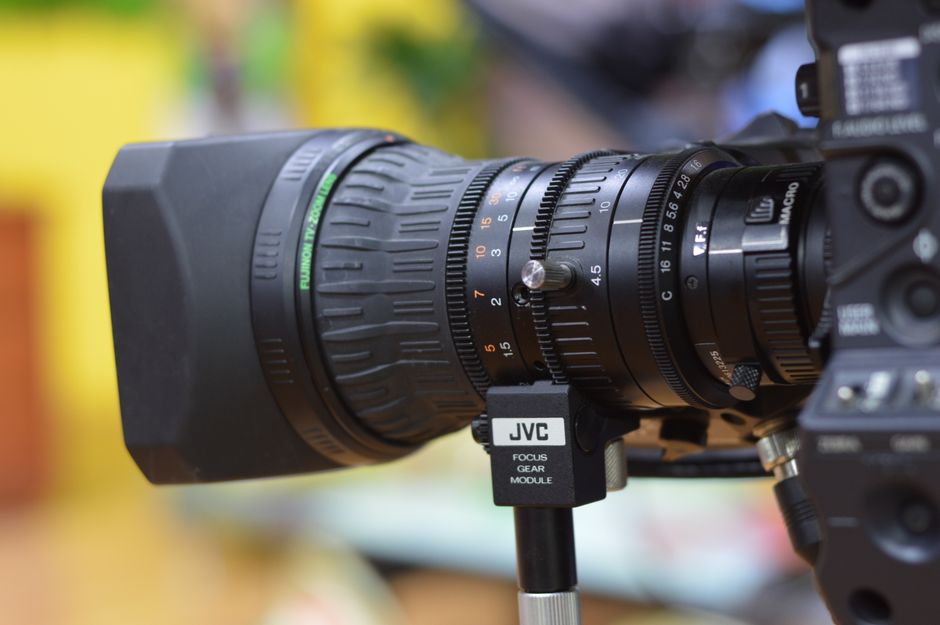
Defective products can slip through even the most diligent manual checks, but industrial imaging technology has changed the quality control game. Today, manufacturers looking to boost speed and accuracy often turn to an industrial camera for automated inspection. These advanced cameras are at the heart of reliable, high-speed inspection systems, helping to detect flaws, ensure product consistency, and streamline operations from start to finish.
Precision Imaging for Reliable Detection
Automated inspection systems depend on highly accurate image capture. Industrial cameras are engineered for this, delivering high-resolution images that reveal even the tiniest defects. Manufacturers use cameras with resolutions ranging from 2 to over 100 megapixels, allowing for detailed surface analysis or measurement tasks. In electronics, for example, cameras can spot microscopic soldering issues, while in food processing, they can verify the uniformity of packaging. Precision is key: without it, flaws can go unnoticed and entire production batches may need rework or recall.
The Role of Lenses and Lighting in Machine Vision
Outstanding image quality requires more than a capable camera. The right lens and lighting setup is just as important for maximizing performance. Lenses control field of view, magnification, and sharpness, tailoring the system to the application’s needs. Lighting solutions, such as LED ring lights, bar lights, or structured illumination, eliminate shadows, highlight specific features, and improve contrast. When paired with advanced cameras, these components allow inspection systems to operate in challenging environments, from dark factory floors to reflective metal surfaces.
Smart Software for Automated Decisions
Once images are captured, machine vision software steps in to process data and make decisions. Modern inspection software uses algorithms for pattern recognition, dimensional measurement, and anomaly detection. Some systems now incorporate artificial intelligence for complex tasks, such as distinguishing between acceptable natural variations and true product defects. With real-time processing, inspection stations can trigger sorting or rejection mechanisms on the line, minimizing human intervention and reducing error rates.
Integration and Innovation: The Complete Imaging Solution
Building a robust automated inspection system involves integrating cameras, lenses, lighting, and software into a seamless workflow. Providers like VA Imaging offer more than just hardware, they help optimize system design, calibration, and ongoing support. From initial consultation to system upgrades, these partners ensure imaging products keep pace with evolving manufacturing demands. Innovations like high-speed global shutter cameras, multi-spectral imaging, and modular lighting enable new types of inspections that weren’t possible a decade ago.
Where to Learn More About Advanced Inspection Systems
If you’re researching solutions to improve quality control, start by reviewing case studies of automated inspection in industries similar to yours. Focus on the benefits that an industrial camera for automated inspection can deliver, faster defect detection, higher throughput, and traceable inspection results. For a deeper dive into selecting imaging components or optimizing machine vision systems, consult technical guides or reach out to solution providers who can tailor a setup to your workflow. Look for resources that explain the impact of camera resolution, lens types, and lighting setups on inspection results, so you can make informed decisions for your operation’s specific needs.